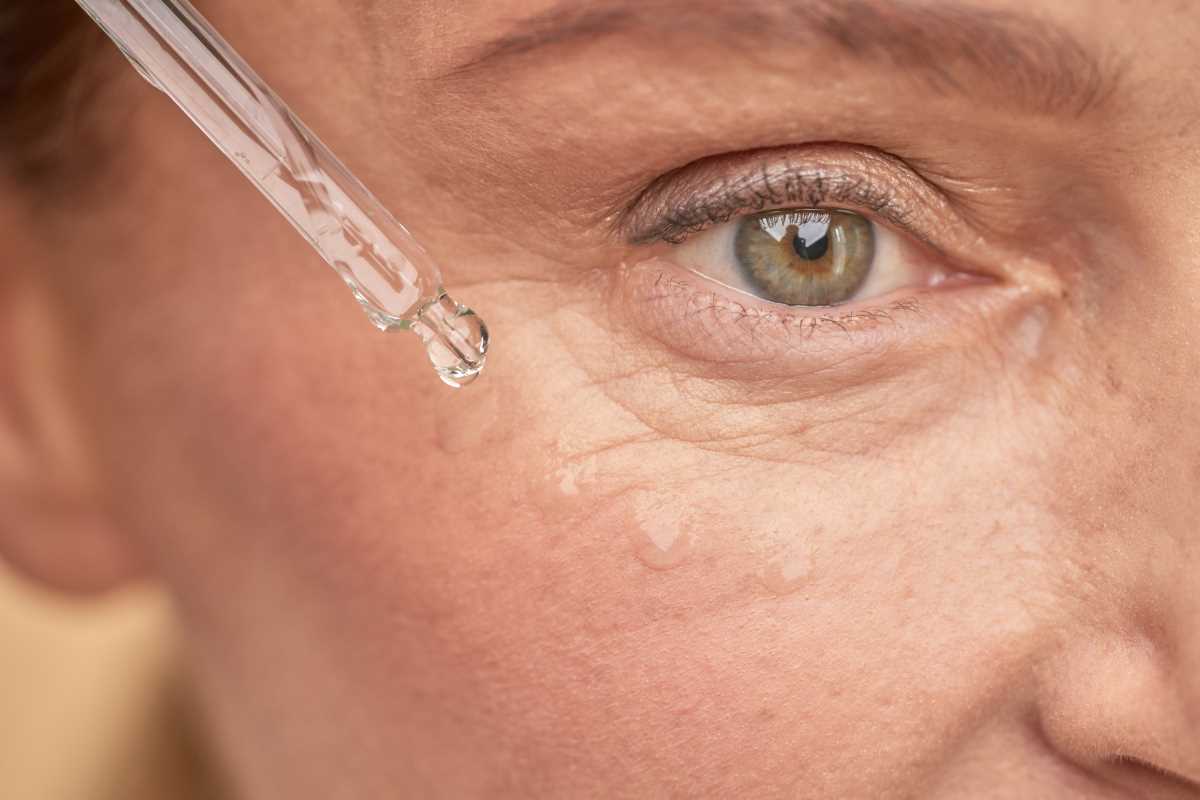
If you look inside almost any medicine cabinet, there is a good chance you will find a little amber bottle of Vitamin E oil or a stash of golden gel capsules. For decades, beauty bloggers and family members alike have treated this thick oil as a cure-all. Got a fresh scrape? Pop open a capsule. Dealing with dry patches or an angry sunburn? Slather it on.
It makes sense why Vitamin E has stayed so popular. In an era of complicated ten-step routines and fifty-dollar synthetic serums, turning to a classic fat-soluble nutrient feels refreshingly simple.
Does the reality match the reputation? The relationship between Vitamin E and skin healing is far more nuanced than beauty folklore suggests. When you use it correctly, it can transform irritated, parched skin. When used wrong, it can leave you with clogged pores and itchy rashes.
The Science Behind the Glow: What Vitamin E Really Does
To understand what Vitamin E can do for you, it helps to look at how your skin functions. Your skin barrier relies on lipids (natural fats) to keep hydration locked in and environmental irritants locked out. Vitamin E, known scientifically in skincare as alpha-tocopherol, is the primary fat-soluble antioxidant naturally present in your skin.
Think of antioxidants as your skin's personal bodyguard squad. Every day, UV light, vehicle exhaust, and ambient pollution create unstable molecules called free radicals. These rogue molecules steal electrons from your healthy cells, damaging DNA and breaking down collagen. Vitamin E steps in front of that damage by donating electrons to neutralize free radicals before they can wreck your cellular structure.
Beyond defense, topical Vitamin E acts as a rich emollient. It slips between rough, peeling skin cells to restore a soft, supple texture while reinforcing your natural moisture barrier. Taking Vitamin E supplements supports your overall health, but applying it topically delivers direct antioxidant protection right where the daily damage happens.
Navigating Scar Care Evidence: Fact vs Fiction
For years, the standard home remedy for a surgical incision or a healing acne mark was simple: squeeze a pure Vitamin E capsule directly onto the mark. Many plastic surgeons and dermatologists actively warn against doing this today.¹
Controlled clinical research tells a very different story from bathroom folklore. In landmark double-blind trials evaluating surgical scars, applying pure Vitamin E directly to fresh wounds showed no cosmetic improvement or actually worsened the scar appearance in 90% of cases.² Even more concerning, up to 33% of participants developed an allergic contact dermatitis, ending up with an itchy, red rash over healing tissue.²
Pure Vitamin E oil is heavy and sticky. When placed on a fresh wound, it can disrupt the delicate balance of collagen production and trigger severe irritation.
If you want to fade scars, the medical gold standard remains medical-grade silicone gel or silicone sheeting. Where Vitamin E does help is as a supporting ingredient inside silicone formulations. Clinical studies show that silicone sheets combined with Vitamin E can improve scar texture and redness better than plain silicone alone. The silicone provides the protective seal your skin needs, while Vitamin E provides gentle conditioning without a lot of the wound bed.
Sunburn Treatment Limitations and Safety First
Spending too much time in the sun triggers an immediate crisis in your skin. Solar radiation rapidly strips your epidermis of its natural defenses, depleting your skin's stored Vitamin E by up to 80%.
This is where Vitamin E truly excels. When applied within 2 to 8 hours after sun exposure, topical alpha-tocopherol helps calm acute redness and swelling. It works at a cellular level to stop the formation of sunburn cells (damaged skin cells programmed to self-destruct) and halts the chain reaction of lipid damage across your skin barrier.
Timing and texture matter here:
• Never trap the heat: Do not coat a fresh, hot, blistering sunburn in thick pure oil. Thick oils act like an insulator, trapping heat inside the tissue and making the burn worse.
• Cool down first: Reach for cool compresses and soothing aloe vera gels immediately after sun exposure.
• Use lightweight blends: Once the skin has cooled down, apply a light lotion or serum containing Vitamin E to replenish depleted antioxidant levels.
• Seek medical care for severe burns: If you develop widespread blistering, fever, chills, or dizziness, skip the home remedies and visit a doctor.
Vitamin E works even better when it has teammates. Research from Duke University demonstrated that pairing Vitamin E with Vitamin C and Ferulic acid creates an antioxidant network that boosts the skin's natural photoprotection up to eightfold.³ Vitamin C tackles water-soluble free radicals, Vitamin E neutralizes fat-soluble free radicals, and Ferulic acid stabilizes the whole mixture.
How to Incorporate Vitamin E Into Your Routine
If you want to add Vitamin E to your daily regimen without triggering breakouts or allergic reactions, follow these practical guidelines.
• Check the concentration: Look for leave-on serums and creams that list alpha-tocopherol or tocopheryl acetate between 0.1% and 1.0%. Higher concentrations do not improve results and significantly raise your chance of skin irritation.
• Always patch test first: Dab a small amount of product on your inner forearm. Leave it alone for 48 hours to make sure you do not develop redness, itching, or tiny bumps before putting it on your face.
• Dilute heavy oils: If you have pure Vitamin E oil, mix one or two drops into a lightweight carrier oil like jojoba, squalane, or rosehip oil rather than applying it neat.
• Mind your skin type: If you have oily or acne-prone skin, thick Vitamin E oils can easily clog your pores. Stick to lightweight water-based serums that feature Vitamin E alongside hydrating ingredients like hyaluronic acid.
Real Expectations for Radiant Skin
Vitamin E is not an overnight miracle that will erase deep surgical scars or undo a bad sunburn in thirty seconds. Believing the old myths often leads to clogged pores, contact dermatitis, and disappointment.
When you treat it as a supportive antioxidant and moisture-sealing ally, Vitamin E earns its permanent spot on your vanity. It excels at defending against daily environmental stress, speeding up post-sun recovery when formulated properly, and keeping your skin barrier supple.
Skip the punctured oral capsules on open wounds. Instead, choose well-formulated serums, pair your antioxidants together, and let steady daily consistency do the heavy lifting for your skin.
Sources:
1. Stop Putting Vitamin E on Your Scar
https://myersplasticsurgery.com/stop-putting-vitamin-e-on-your-scar/
2. The effects of topical vitamin E on the cosmetic appearance of scars
https://pubmed.ncbi.nlm.nih.gov/10417589/
3. A topical antioxidant solution containing vitamins C and E stabilized by ferulic acid provides protection for human skin against damage caused by ultraviolet light
https://scholars.duke.edu/publication/722687
*This article on WellnessChecker is for informational and educational purposes only. Readers are encouraged to consult qualified professionals and verify details with official sources before making decisions. This content does not constitute professional advice.*