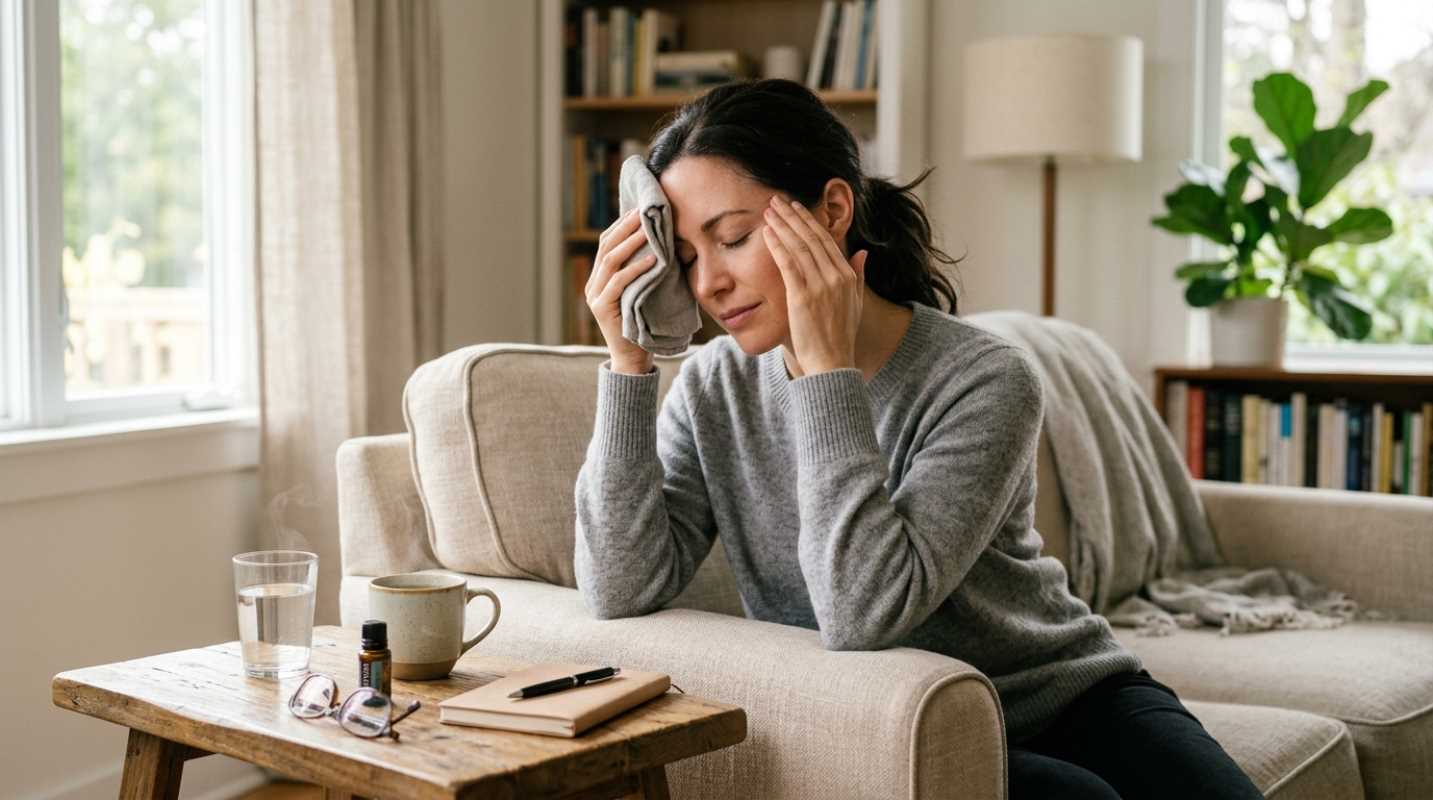
Have you felt like your body simply hasn't returned to normal since you had COVID? You might wake up feeling like you ran a marathon when you barely walked to the kitchen. Or maybe you find yourself losing your train of thought in the middle of a simple conversation. You aren't imagining it, and you certainly aren't alone.
Long COVID is officially classified as an Infection-Associated Chronic Condition.¹ It affects multiple organ systems and can linger for months or years after an initial infection. CDC survey data shows that around 5.3% to 6.8% of adults in the United States currently live with Long COVID. That amounts to over 17 million people navigating similar struggles every day. On a global scale, the World Health Organization estimates that about 6 out of every 100 people who contract COVID-19 develop long-term symptoms.³
Trusting your lived experience is the very first step toward getting better. When routine blood tests come back looking completely normal, it's easy to feel dismissed or start doubting yourself. Taking a proactive, informed approach helps you regain control over your health and find the care you actually need.
Identifying Common Long COVID Symptoms
Long COVID isn't a single illness with one standard checklist. It presents differently in everyone, but several hallmark symptoms appear consistently across patient reports.
• Post-Exertional Malaise (PEM): This is a severe crash after physical, cognitive, or emotional effort. The crash often hits 12 to 48 hours after the activity, leaving you utterly exhausted for days.
• Cognitive Dysfunction: Frequently called "brain fog," this includes memory gaps, trouble focusing, slow information processing, and feeling mentally drained.
• Autonomic Dysfunction: Up to 30% of people with Long COVID experience conditions like Postural Orthostatic Tachycardia Syndrome (POTS). This causes rapid heart rate spikes, lightheadedness, and shaking when you stand up.
• Cardiopulmonary Issues: Persistent shortness of breath, chronic coughing, chest tightness, and heart palpitations are common complaints.
• Widespread Pain and Sleep Issues: Unrefreshing sleep, deep joint pain, and muscle aches often accompany daily fatigue.
Tracking your symptoms daily matters to finding patterns. Use a notebook or smartphone app to log your activity levels, heart rate, and symptom flare-ups. You'll start to see what triggers your crashes so you can adjust your routines accordingly.
When to Seek Medical Evaluation
How do you know when it's time to see a doctor? Although Long COVID causes chronic discomfort, some symptoms require immediate emergency attention.
Seek urgent medical care if you experience any of these red flags
• Chest pain or pressure that doesn't go away
• Severe or worsening shortness of breath while resting
• Sudden weakness, confusion, or difficulty speaking
• Fainting spells or dangerous spikes in heart rate
If you aren't facing an emergency, start by scheduling a visit with a primary care provider to establish a clear health baseline. Because standard blood tests and scans often show normal results in Long COVID patients, your written symptom history is your most powerful diagnostic tool.
Prepare for your appointments beforehand. Bring a detailed two-week symptom log, a list of medications or supplements you've tried, and specific questions about work accommodations. Being organized helps make sure your doctor takes your concerns seriously and documents everything properly in your chart.
Understanding the Path to Recovery
Recovering from Long COVID requires a shift in how you manage your day. The old advice of "pushing through the pain" simply doesn't work here. In fact, pushing past your limits can trigger severe setbacks.
• Mastering the Energy Envelope: Pacing is the most important approach for managing post-exertional malaise. Keep your daily exertion strictly within your current energy limits rather than pushing until you crash. Traditional graded exercise programs are generally discouraged because they can worsen symptoms.
• Managing Autonomic Symptoms: If you struggle with POTS or dizziness, drink 2 to 3 liters of fluid daily and increase your salt intake under medical supervision. Wearing high-waisted compression garments helps keep blood from pooling in your legs.
• Building a Multidisciplinary Care Team: Complex symptoms often call for a team approach. Your primary care doctor can refer you to cardiologists, neurologists, pulmonologists, and occupational therapists who understand post-viral illness.
• Prioritizing Cognitive Rest: Focus on screen-free rest periods throughout the day. Taking 15-minute breaks in a quiet, dark room gives your nervous system a real chance to calm down.
Resources and Support for Recovery
Living with a chronic illness can feel isolating, but a growing network of organizations offers guidance and community. Connecting with people who truly understand what you're going through makes a massive difference.
Advocacy groups like the Solve ME/CFS Initiative, the Bateman Horne Center, Body Politic, and Survivor Corps offer step-by-step guides on pacing, heart rate monitoring, and managing autonomic issues. They also keep patients updated on the latest research updates.
Specialized Long COVID clinics offer unified care under one roof. These clinics combine multiple medical specialties so you don't have to coordinate between six different doctors on your own.
Don't overlook your mental health either. Managing chronic illness takes a heavy emotional toll. Therapy with a professional who understands chronic fatigue or post-viral conditions can give you practical coping approaches for grief, anxiety, and lifestyle changes.
If your symptoms interfere with your job, you have legal options. Post-COVID conditions fall under the Americans with Disabilities Act protections when using official medical diagnostic codes like U09.9. You can request accommodations like remote work, flexible hours, or ergonomic tools to help you keep working safely.
You Are Not Alone
Recovery from Long COVID is rarely a straight line. You'll likely experience good days followed by frustrating setbacks, and that's okay. Practicing patience and self-compassion with yourself is just as needed as taking your medications or tracking your energy levels.
Research is moving fast. Clinical trials funded by the NIH RECOVER initiative are actively testing targeted treatments right now.² Researchers are evaluating Low-Dose Naltrexone for neuroinflammation, JAK inhibitors like Baricitinib, and extended courses of antivirals to clear potential lingering viral fragments.
New scientific insights and treatment approaches emerge every month. By pacing your energy, leaning on supportive patient communities, and working closely with knowledgeable healthcare providers, you can build a path toward lasting recovery and a better quality of life.
Sources:
1. CDC Clinical Guidance for Long COVID
https://www.cdc.gov/long-covid/hcp/clinical-guidance/index.html
2. NIH RECOVER Clinical Trials Overview
https://pubmed.ncbi.nlm.nih.gov/40063321/
3. World Health Organization Post COVID-19 Condition Fact Sheet
https://www.who.int/news-room/fact-sheets/detail/post-covid-19-condition-(long-covid)
*This article on wellnesschecker is for informational and educational purposes only. Readers are encouraged to consult qualified professionals and verify details with official sources before making decisions. This content does not constitute professional advice.*