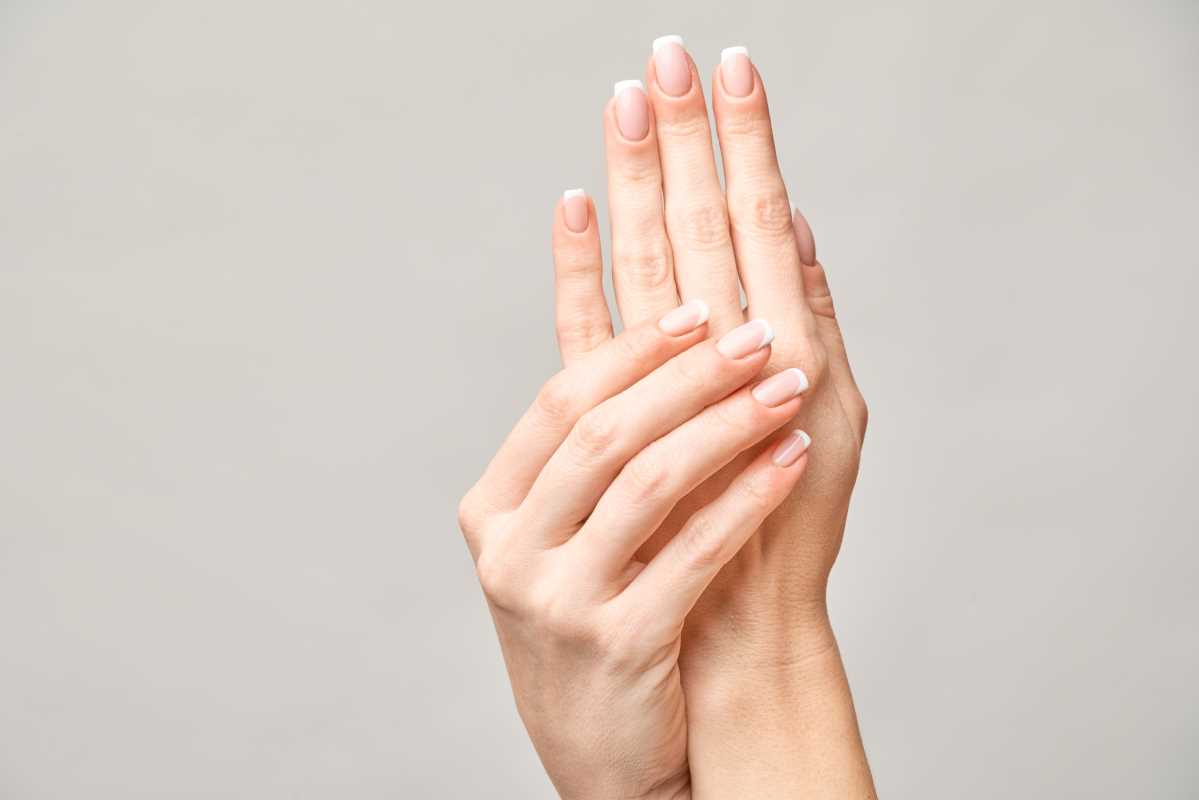
Have you ever looked down at your hands and wondered why your nails seem to chip, peel, or break at the slightest touch? You are definitely not alone. Brittle nail syndrome affects roughly 20 percent of adults, especially women.¹ It is easy to assume that salon gel manicures or expensive strengthening polishes hold the magic fix. But real nail health starts much deeper.
Your nails are active, living extensions of your body that reveal a lot about your daily routines and internal health. When you give them the right daily care and nutritional fuel, they bounce back faster than you think. You do not need a complicated 10-step routine or a fortune in salon treatments. Building resilient nails comes down to simple, consistent habits that protect your nail plate and preserve its natural moisture balance.
Needed Nutrients for Nail Health
Your nails are composed primarily of a tough, fibrous protein called alpha-keratin. If your body lacks the raw materials to construct that protein, your nails quickly become soft, bendable, or prone to flaking.
Nutrition forms the baseline for nail strength. Although external treatments soothe the surface, your diet feeds the nail matrix, the hidden pocket under your cuticle where new cells actually form.
Here are the key nutrients that keep your nail matrix firing on all cylinders:
• Dietary Protein and Cysteine: Nails depend directly on sulfur-rich amino acids. Adding quality protein like eggs, fish, lentils, poultry, and beans to your meals gives your body the building blocks it needs for strong keratin development.
• Iron and Ferritin: Low iron levels starve the nail matrix of oxygen. Severe iron deficiency can even lead to koilonychia, where nails become concave or spoon-shaped.² Leafy greens, lean meats, and fortified legumes help prevent this issue.
• Zinc: This mineral drives cell division and protein synthesis. A lack of zinc often shows up as transverse lines across the nail bed, white spots, or stalled nail growth. Pumpkin seeds, chickpeas, and shellfish are rich dietary sources.
• Vitamin C: Needed for collagen production, vitamin C supports the integrity of the nail bed and surrounding tissue. Citrus fruits, bell peppers, and strawberries make easy daily additions.
A quick note on biotin: while high-dose biotin supplements were popular for years, current dermatological guidance urges caution. Unless a blood test confirms an actual deficiency, massive biotin doses offer little benefit and can interfere with important medical lab tests. Focusing on balanced whole foods is a safer, more effective approach.
Stop the Damage and Break Bad Habits
Most nail breakage does not happen because of weak genetics. It happens because our daily habits accidentally strip nails of their natural protective barriers.
The biggest culprit is the repeated wetting-and-drying cycle. Every time you submerge your hands in water, the keratin layers in your nails swell like a sponge. As that water evaporates, the nail plate shrinks rapidly. Over time, this constant expanding and contracting creates microscopic fractures that lead to peeling and splitting.¹
You can shield your hands from daily physical wear by adjusting a few common routines:
• Wear Protective Gloves: Slip on a pair of cotton-lined rubber gloves before washing dishes, scrubbing the sink, or handling household cleaning chemicals.
• Ditch Nails as Tools: Opening soda cans, scraping labels, or popping keyrings with your bare nails places extreme mechanical torque on the nail plate, causing hidden tears.
• File in One Direction: Avoid dragging a file back and forth across the tip like a handsaw. Use a fine-grit glass file and move smoothly from the outer corner toward the center to keep keratin edges smooth and sealed.
• Skip Harsh Acetone: Frequent use of pure acetone strips natural lipids from the nail plate. Choose non-acetone or nourishing, oil-based polish removers whenever possible.
• Take Polish Vacations: Wearing continuous layers of acrylics or gel polish traps moisture and weakens nail layers. Give your nails a two-week breather every few months so their natural lipid barrier can reset.
The Art of Nail Hydration and Care
Keeping your nails flexible is just as important as keeping them hard. Hard, dry nails snap under pressure, while well-hydrated nails have the elasticity to bend slightly without breaking.
Dermatologists love a simple nighttime routine known as nail slugging.³ It sounds fancy, but you can do it in two minutes before climbing into bed.
1. Massage a lipid-rich oil, such as jojoba or almond oil, directly into your clean nail beds and cuticles. Jojoba oil is lightweight and mimics your natural skin lipids, penetrating deeply.
2. Layer a dab of thick ointment, like petroleum jelly or healing balm, directly over the oil. The ointment creates a seal that locks in the moisture and prevents water loss while you sleep.
Never cut or trim your cuticles. Your cuticle acts as a waterproof gasket that seals the gap between your skin and the nail matrix. Cutting it invites bacterial infections, creates painful hangnails, and can permanently deform new nail growth. If you dislike how your cuticles look, gently push them back with a soft, damp washcloth after a warm shower.
Top Recommendations for Daily Nail Care
• Glass Nail File: Unlike rough metal or coarse emery boards, a fine glass file seals the free edge of your nail as you shape it, preventing snags and micro-tears.
• Pure Jojoba Oil: A simple bottle of cold-pressed jojoba oil kept at your desk or nightstand makes regular nail hydration effortless.
• Cotton-Lined Cleaning Gloves: Keeping a pair by the kitchen sink protects your hands and nails from the drying effects of hot water and harsh detergents.
When to Seek Professional Advice
Most peeling or splitting comes down to daily wear and tear. But your nails can occasionally signal a medical issue that hand cream cannot fix.
Schedule a visit with a board-certified dermatologist if you notice any of these warning signs
• A dark brown or black vertical band running down a single nail.
• The nail plate lifting away from the pink nail bed underneath.
• Deep horizontal grooves, severe pitting, or crumbling edges, which can indicate conditions like nail psoriasis or lichen planus.
• Persistent redness, swelling, or throbbing around the cuticle fold.
Your Path to Stronger Nails
Fingernails grow slowly, averaging roughly three millimeters per month. This means the damage you see near the tips today reflects habits from months ago. You will not see dramatic transformation overnight, but your patience pays off.
Focus on the fundamentals: nourish your body with balanced meals, shield your hands from excessive water, and keep your cuticles well hydrated. Once you replace quick-fix products with steady, gentle care, your natural nails will grow stronger and healthier every single week.
Sources:
1. Brittle Nails: A Review
https://pmc.ncbi.nlm.nih.gov/articles/PMC6994568/
2. What Nutritional Deficiencies Can Cause Nail Changes and How?
https://www.droracle.ai/articles/1001813/what-nutritional-deficiencies-can-cause-nail-changes-and-how
3. What Is Nail Slugging?
https://www.today.com/shop/what-nail-slugging-t267810
*This article on WellnessChecker is for informational and educational purposes only. Readers are encouraged to consult qualified professionals and verify details with official sources before making decisions. This content does not constitute professional advice.*