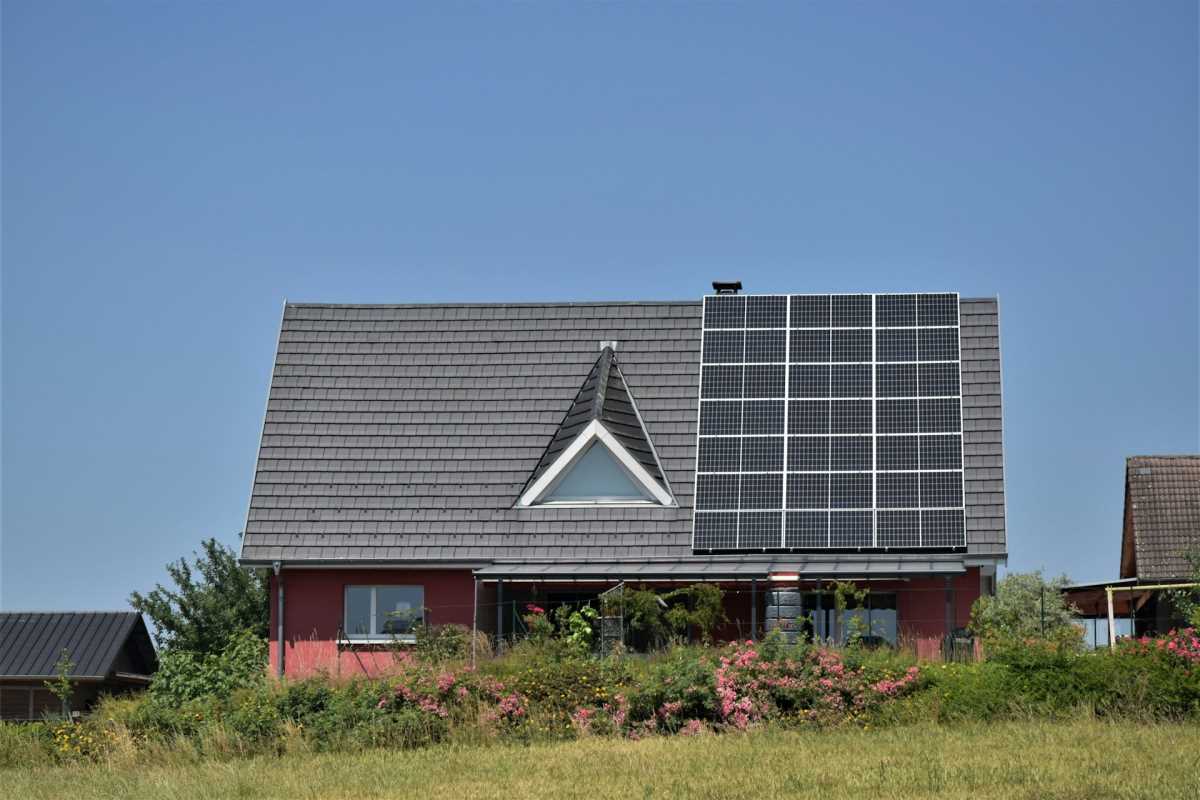
Have you ever taken a look at your roof and thought about what it actually does? For decades, the roof over your head had just one job: protect your living room from rain, snow, and wind. It sat there quietly absorbing sunlight all day while your home pulled power from distant, fossil-fueled power plants. Today, that relationship is changing fast. Millions of homeowners are turning their rooftops into personal power stations. By generating your own clean electricity right where you live, you take direct control over where your energy comes from.
Transitioning to solar power is one of the most effective steps an individual household can take to combat climate change. Here is a clear look at how rooftop panels transform our energy system and protect the planet for the long haul.
The Power of Renewable Energy Generation
Traditional electricity grids rely heavily on burning coal and natural gas. When you flip on a light switch, a power plant miles away burns fossil fuels, boils water into steam, spins a turbine, and sends power down miles of wires. A lot of energy is lost along the way, and massive amounts of greenhouse gases escape into the atmosphere.
Solar panels bypass that entire outdated model. They use photovoltaic cells to convert sunlight directly into electrical current with zero moving parts and zero emissions during operation. Sunlight is an infinite resource that arrives at your doorstep every morning without drilling, fracking, or strip mining.
Modern solar technology has also become remarkably reliable. Today's systems produce steady, usable power even on overcast days. Over 5.26 million homes in the United States currently generate clean electricity on their roofs, contributing over 83 billion kilowatt-hours of distributed clean energy to the grid annually. That distributed setup builds a stronger, more resilient energy grid while reducing our collective reliance on dirty fuels.
Reducing Carbon Emissions One Home at a Time
The single biggest environmental draw of rooftop solar is its immediate reduction of greenhouse gas emissions. When your solar system feeds power into your home, you pull less electricity from fossil-heavy utility generators.
A standard residential solar setup, usually between 6 kW and 8 kW in size, offsets between 3.5 and 6 metric tons of carbon dioxide every single year.¹ Over an average 25- to 30-year lifespan, just one residential array eliminates between 85 and 150 metric tons of carbon dioxide.²
To put those numbers into everyday terms, a single home solar installation each year matches:
• Planting trees: It equals the carbon absorption of planting 100 to 150 mature trees every year.
• Driving less: It avoids the emissions of driving 7,500 to 10,000 miles in a standard gasoline car.
• Burning coal: It eliminates the burning of 4,000 to 6,000 pounds of coal annually.
Some people wonder about the energy it takes to manufacture solar panels in the first place. It is a fair question. Building silicon panels does require energy and raw materials.
Life-cycle assessments show that modern panels repay that initial manufacturing carbon debt within 1.5 to 3 years of operation.³ For the remaining 25 or more years of their working life, they generate completely clean, net carbon-negative power. Over their entire life cycle, panels produce only about 40 to 43 grams of carbon dioxide equivalent per kilowatt-hour, compared to 486 grams for natural gas and over 820 grams for coal.
Minimizing the Environmental Impact of Household Energy Consumption
Our daily lives require more electricity than ever before. We run powerful air conditioning systems, charge gadgets, wash loads of laundry, and work from home computers. As households switch from gas furnaces to electric heat pumps and trade gas cars for electric vehicles, electricity demand climbs.
Solar panels keep this growing demand from overloading local fossil fuel plants. Think about air conditioning in the summer. The hottest hours of the afternoon, when your air conditioner runs at full blast, happen to coincide directly with peak solar power production. Your panels absorb that intense summer sun and immediately turn it into cool indoor air.
When you pair solar panels with an electric vehicle or a heat pump, the environmental gains multiply. Charging an electric car with solar power means your daily commute runs on pure sunshine rather than gasoline or grid coal.
Adding a home battery takes this a step further. About one in four new residential solar systems now includes battery storage. Storing excess midday solar power lets you run your house on clean energy well into the evening, exactly when utilities would otherwise fire up their dirtiest gas peaker plants.
Beyond the Panels and Long-Term Ecological Advantages
Although cutting carbon emissions gets most of the headlines, solar power delivers several other major environmental wins that are easy to overlook.
• Saving water: Conventional coal, gas, and nuclear power plants consume enormous volumes of water for cooling and steam cycles. Solar photovoltaic systems use zero operational water. Switching a typical home to solar saves 15,000 to 20,000 gallons of freshwater every year.
• Cleaning up local air: Burning fossil fuels releases sulfur dioxide, nitrogen oxides, and fine particulate matter into the air. These pollutants trigger smog, acid rain, and respiratory conditions like asthma. Solar panels emit zero air pollutants, helping keep the air clean and breathable in your local community.
• Protecting natural habitats: Large power plants, coal mines, and gas drilling pads take up vast tracts of land and disrupt wildlife habitats. Rooftop solar sits directly on existing structures like houses, garages, and carports. It generates clean power without clearing a single acre of forest or farmland.
• Improving material circularity: Modern solar panels are built primarily from aluminum, glass, copper, and silicon. Between 90% and 97% of these materials can be recovered and recycled at the end of the panel's 30-year lifespan, keeping valuable components out of landfills and feeding them back into manufacturing.
A Bright Future for Your Home and Planet
Installing solar panels is a direct, practical investment in the future of our planet. Instead of waiting for large institutions or distant power companies to clean up the electrical grid, you can take immediate action on your own roof.
Every kilowatt-hour of solar energy your home produces is one less kilowatt-hour generated by burning fossil fuels. Over two to three decades, your rooftop quietly prevents tons of emissions, saves thousands of gallons of water, and keeps the air in your neighborhood cleaner.
It is rare to find a home improvement project that cuts your utility bills while simultaneously lowering your ecological footprint. Making the switch to solar turns your roof into a permanent force for positive environmental change.
Sources:
1. How Much CO2 Does Solar Energy Save?
https://solartechonline.com/blog/how-much-co2-does-solar-energy-save/
2. The Impact of Residential Systems on Carbon Emissions
https://trunorthsolar.com/solar-energy-and-the-environment-the-impact-of-residential-systems-on-carbon-emissions/
3. Energy and Carbon Payback Times for Modern Photovoltaics
https://research-hub.nlr.gov/en/publications/energy-and-carbon-payback-times-for-modern-us-utility-photovoltai/