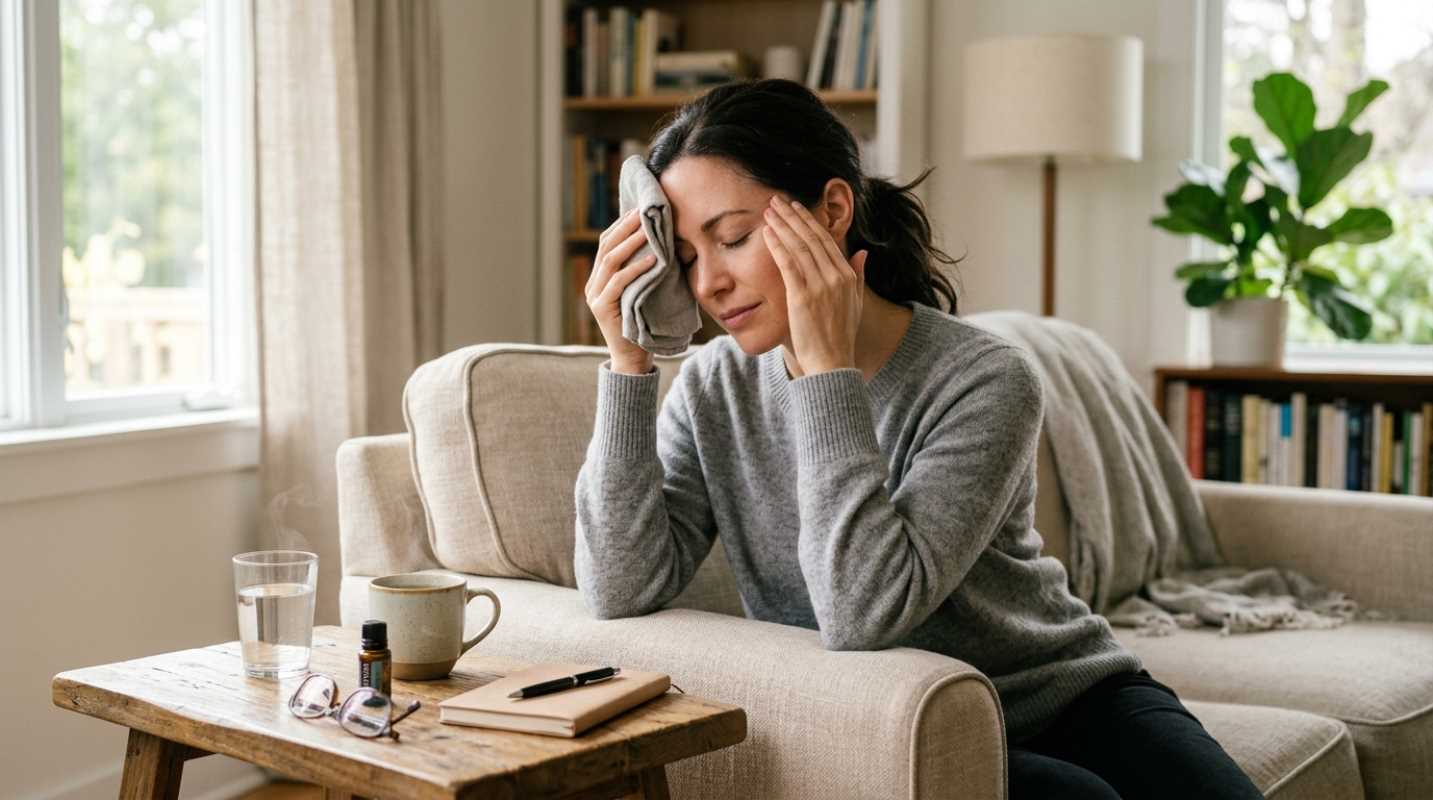
If you are living with chronic pain, you know the routine. The endless cycle of prescriptions, the worry about side effects, and the frustration of feeling like a passenger in your own body. Maybe you are tired of relying on a pill bottle just to get through the day. Have you been there?
You are not alone in this struggle. About 20% to 40% of people worldwide live with chronic pain. In the US, around 21 million adults suffer from high-impact chronic pain, the kind that actively limits their work and daily life.² It is an incredibly expensive problem too, costing up to $635 billion every year in healthcare bills and missed work.²
But there is a major shift happening right now. Driven by tighter regulations on opioids and a better understanding of how the brain processes pain, healthcare providers are moving away from the pill-first approach. The Centers for Disease Control and Prevention (CDC) now recommends non-medication therapies as the preferred first-line treatment for chronic pain.¹
Your body has an incredible capacity to adapt and heal. Managing pain without drugs is not a compromise. It is a proactive, powerful way to retrain your nervous system and reclaim your life.
The Power of Movement Exercise as Medicine
When you are in pain, your first instinct is usually to freeze. You want to curl up on the couch and protect your hurting body. Although that makes sense for a temporary injury, prolonged rest actually makes chronic pain worse.
Movement is medicine. When you exercise, your brain releases endorphins, which are your body's natural painkillers. Physical activity also reduces inflammation and keeps your joints moving smoothly. Think of it like a door hinge. If it sits unused, it rusts and squeaks. Keep it moving, and it stays quiet.
You do not need to train for a marathon to get these benefits. Low-impact options are highly effective
• Yoga: This practice combines gentle stretching with breath control, helping to ease muscle tension.
• Swimming: Water supports your body weight, taking the pressure off painful joints while still giving you a great workout.
• Physical Therapy: A physical therapist can design a customized plan to strengthen the specific muscles supporting your painful areas.
The key is consistency, not intensity. A gentle fifteen-minute walk every single day is far better for your nervous system than a grueling workout once a week. Start small, listen to your body, and build up slowly.
Harnessing the Mind-Body Connection
To understand how to manage pain without drugs, we have to talk about how your brain processes pain. When pain becomes chronic, your nervous system gets stuck in high-alert mode. This is called central sensitization, where your brain begins to amplify even minor signals, making them feel much worse.
This is where mind-body therapies come in. They help you dial down the volume on those amplified signals.
Cognitive behavioral therapy (CBT) is a gold standard tool for this. It is a structured type of therapy that helps you identify and change negative thought patterns. When you are in pain, it is easy to fall into catastrophizing, thinking thoughts like "I will never get better." CBT teaches you to reframe these thoughts, which actually reduces the physical intensity of the pain.
Awareness meditation and deep breathing exercises work in a similar way. By focusing on the present moment, you activate your body's rest-and-digest mode, which naturally lowers your heart rate and reduces the physiological stress response that keeps pain levels high.
Today, we even have high-tech ways to harness this connection. Immersive Virtual Reality (VR) programs like RelieVRx use headsets to deliver CBT and awareness exercises at home.⁴ This technology distracts the brain so effectively that it physically alters pain perception. A clinical trial showed these pain-reduction benefits lasted for up to 18 months after finishing the program, and Medicare Part B officially began covering these devices last year.⁴
There are also Prescription Digital Therapeutics (PDTs). These are doctor-prescribed smartphone apps, like Stanza for fibromyalgia, that deliver behavioral therapy and movement coaching right to your phone.⁵
Lifestyle Adjustments and Natural Pain Remedies
Sometimes the most effective changes are the ones you make in your daily routine. Small adjustments can add up to big improvements in your daily pain levels.
Here are a few natural approaches that you can easily integrate into your life
• Anti-Inflammatory Diet: What you eat affects how you feel. Foods high in sugar and processed ingredients can trigger inflammation. Focus on whole foods like leafy greens, berries, fish, and nuts, and make sure you stay hydrated throughout the day.
• Heat and Cold Therapy: This classic approach is simple but effective. Use ice packs to numb sharp pain and reduce swelling, and use heating pads to relax stiff, aching muscles.
• Sleep Hygiene: Pain makes it hard to sleep, and poor sleep makes pain worse. Break this cycle by keeping a strict sleep schedule, keeping your bedroom cool and dark, and avoiding screens before bed.
Building Your Support System and Professional Guidance
Managing pain without medication is not a solo journey. You need a team of professionals to help you handle your options and keep you on track.
Acupuncture is a fantastic clinical option to add to your toolkit. A massive NIH-funded trial called "BackInAction" looked at older adults with chronic low back pain. The study found that those who received acupuncture had lasting pain relief and better physical function compared to those receiving standard medical care. It even saved the healthcare system money, reducing annual back-pain-related costs by an average of $491 per participant by reducing the need for other medical interventions.
Dr. Lynn L. DeBar, a researcher who studied the trial, noted that acupuncture works just as well as many familiar medications, but with a positive and sustained effect.
Working with physical therapists, integrative doctors, and pain specialists allows you to build a plan tailored to your specific body. The most successful plans are multimodal, combining physical therapy with psychological tools and digital tracking. Combining these therapies can lead to vastly better long-term outcomes than trying to do just one.
Keep a daily pain journal to track what works and what does not. Be patient with yourself. Retraining your nervous system takes time, but the reward is a life where you are in control.
Sources:
1. CDC Nonopioid Therapies for Pain Management
https://www.cdc.gov/overdose-prevention/hcp/clinical-care/nonopioid-therapies-for-pain-management.html
2. US Pain Foundation Chronic Pain Fact Sheet
https://uspainfoundation.org/cpfactsheet25/
3. USC Ostrow Online Research on Non-Pharmaceutical Interventions
https://ostrowonline.usc.edu/new-research-on-non-pharmaceutical-interventions-for-chronic-pain-relief/
4. RelieVRx Home VR Program
https://www.relievrx.com/
5. AMCP Digital Therapeutics Resource Center
https://www.amcp.org/resource-center/digital-therapeutics
*This article on WellnessChecker is for informational and educational purposes only. Readers are encouraged to consult qualified professionals and verify details with official sources before making decisions. This content does not constitute professional advice.*