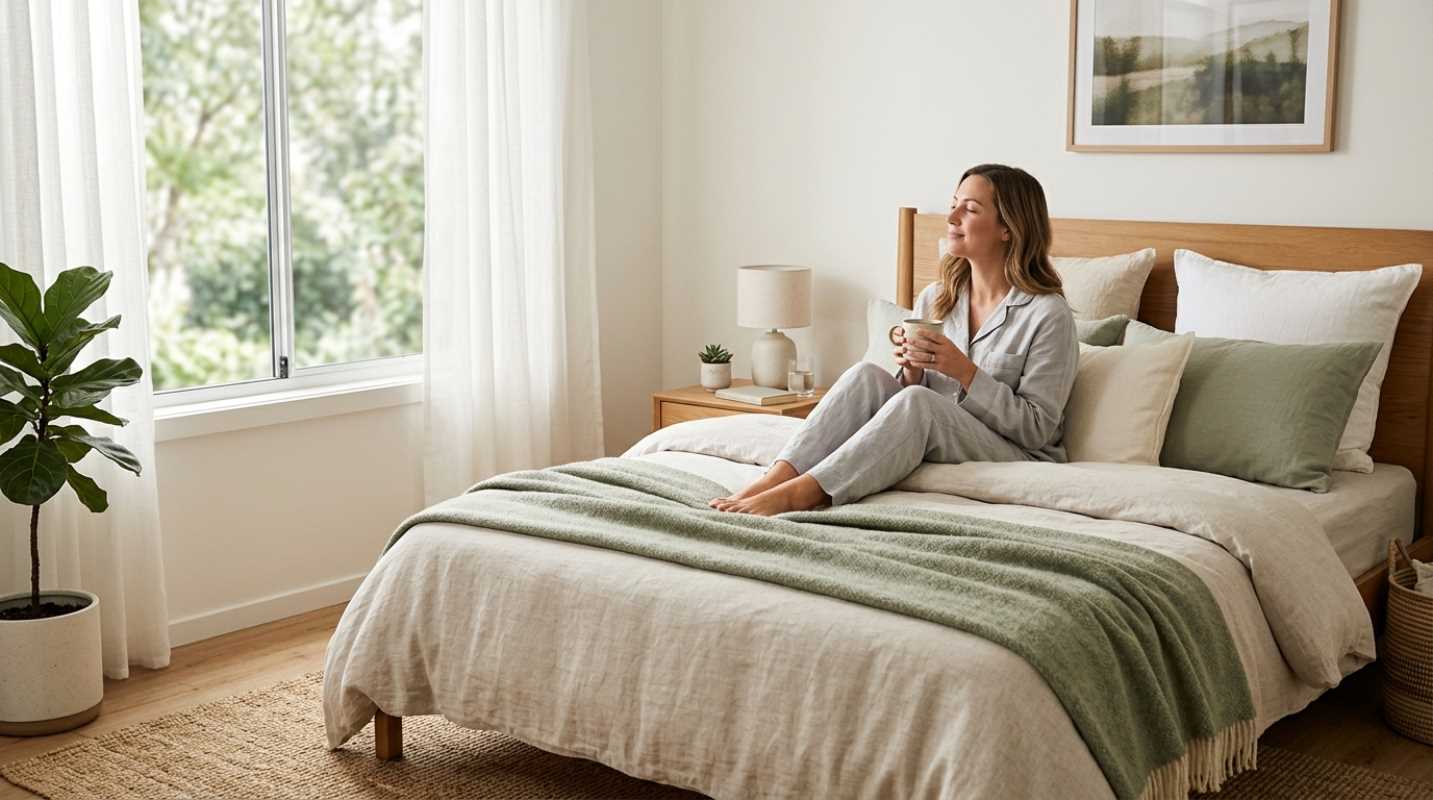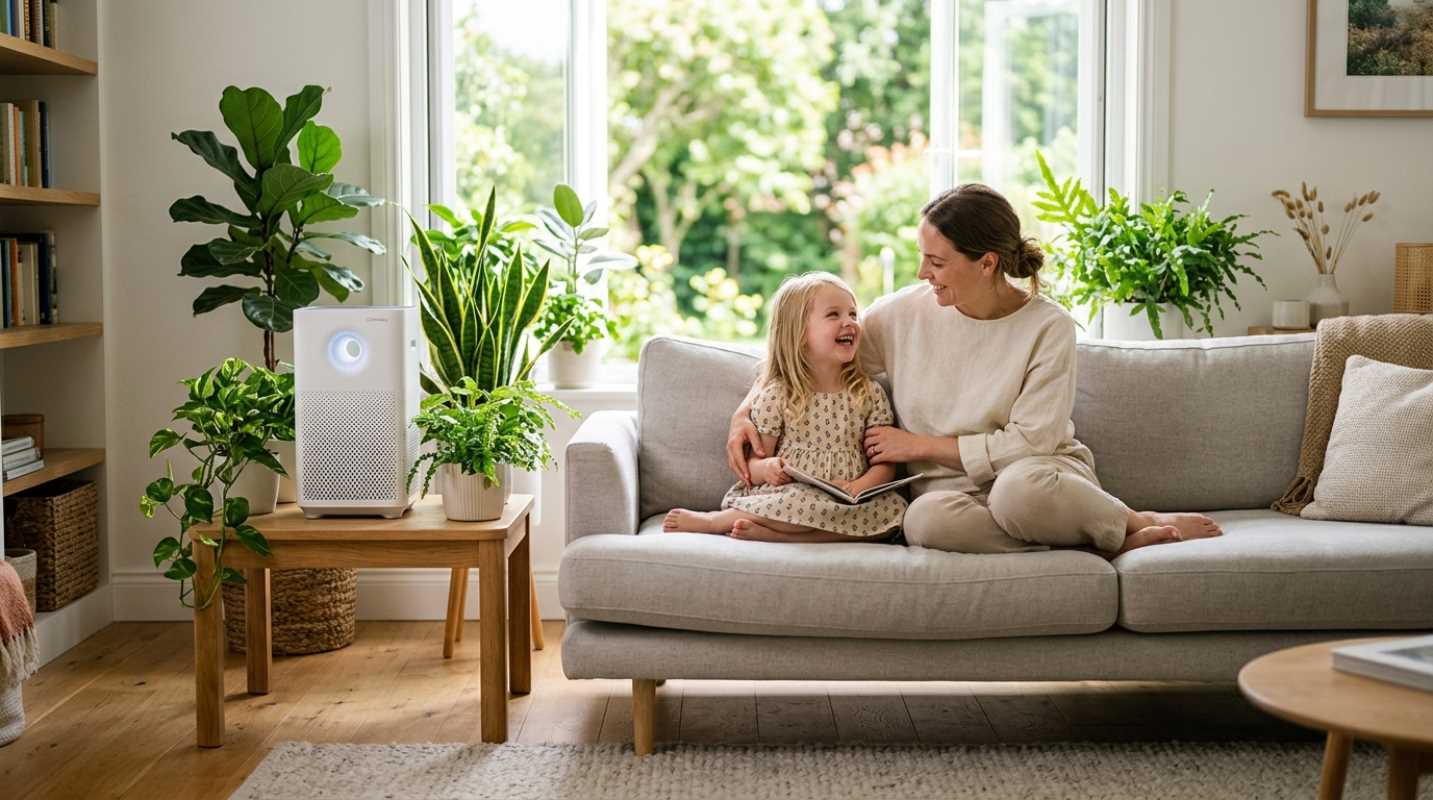
When you walk through your front door and close it behind you, it feels like shutting out the messy, polluted outside world. You naturally assume the air inside your living room is clean, safe, and fresh. Here is the surprising reality.
The air inside your living space can actually be two to five times more polluted than the air right outside your window.¹ Most people spend nearly 90 percent of their daily lives indoors, meaning your home environment directly affects how well you sleep, focus, and feel.
Stuffy rooms, mysterious afternoon headaches, and lingering coughs are not just random quirks. They are often classic signs of poor indoor air quality, sometimes referred to as sick building syndrome. The good news is that taking control of what you breathe inside your own four walls is completely doable with a few practical upgrades.
Identifying Common Indoor Air Pollutants
Before you can fix what you breathe, you need to know what is floating around your rooms. Invisible toxins hide in everyday items that seem completely harmless.
• Volatile Organic Compounds (VOCs): These invisible gases off-gas from fresh wall paint, new rugs, synthetic furniture, and harsh household sprays.
• Fine Particulate Matter: Known as PM2.5, these tiny airborne bits come from gas cooking, burning candles, fireplace smoke, and outdoor haze that sneaks indoors.
• Biological Allergens: Microscopic dust mites, pet dander, and mold spores thrive in damp spots and soft upholstery.
• Silent Gases: Invisible hazards like radon gas creeping up from basement dirt or carbon monoxide leaking from faulty gas appliances.
Take ten minutes to do a quick home audit today. Check under your sinks for harsh chemical cleaners, check your bathroom vents for damp mold spots, and look at your stove hood to see if it actually vents air outside.
Mastering Air Purifier and Ventilation Tips
Clearing out dirty indoor air comes down to three basic steps. You control the sources, bring in fresh outdoor air, and filter out whatever remains.
If you want clean air, high-efficiency mechanical filtration is your best friend. A portable True HEPA air purifier traps 99.97 percent of micro-particles like pollen, dust, and pet skin flakes down to 0.3 microns. If your home uses a central heating and cooling system, upgrading your standard filter to a MERV 11 or MERV 13 rating makes a massive difference across every room.
Ventilation is equally important. Try opening windows on opposite sides of your house for ten minutes each morning to create a natural cross-breeze. Run exhaust fans whenever you fry food on a gas cooktop or take a hot shower.
Green Living and Houseplants That Improve Air Quality
For years, people believed that filling a living room with potted plants would completely scrub the air clean. That belief comes from a 1989 NASA study that tested plants inside small, sealed laboratory containers.
So what happens in a real house? Real-world research shows that passive plants simply cannot keep up with normal air movement.² In fact, landmark studies from Drexel University found you would need somewhere between 680 and 5,000 houseplants in an average-sized home to match the air-clearing performance of a single air purifier.³
Does that mean you should throw out your leafy green friends? Absolutely not. Pothos, Snake Plants, and Spider Plants bring incredible biophilic value into your space. They brighten your decor, lower stress levels, and boost overall mental well-being. Just rely on an air purifier for the actual filtration work, and avoid overwatering your plants so damp soil does not turn into a breeding spot for mold.
Sustainable Habits for Long-Term Air Health
Keeping your home healthy is a daily habit rather than a one-time project. Making small, conscious shifts in your weekly routine creates long-lasting benefits for your lungs.
Start by swapping out harsh chemical sprays for simple, non-toxic alternatives like vinegar, baking soda, and fragrance-free detergents. Synthetic air fresheners and heavily scented paraffin candles might smell nice, but they pour chemicals and tiny soot particles directly into your breathing space.
Controlling moisture levels is another major step. Keep your home relative humidity between 30 and 50 percent. If your indoor air gets too damp, mold spores can take root in wood and drywall within two days. Use a simple dehumidifier in damp basements and fix leaky pipes immediately.
Breathe Easier and Your Path Forward
When you start cleaning up your indoor environment, the results show up fast. You will likely notice fewer morning allergy symptoms, fewer dry throat awakenings, and better night rest overall.
You do not need to overhaul your entire house by tomorrow. Pick one simple action step to start today. Open a few windows for a quick breeze, switch out your old furnace filter, or store chemical cleaners in the garage.
Building a safer, healthier household is completely within your reach. Every small change you make helps your family breathe a little easier.
Sources:
1. Improving Indoor Air Quality
https://www.epa.gov/indoor-air-quality-iaq/improving-indoor-air-quality
2. Do Houseplants Clean the Air?
https://www.lung.org/blog/houseplants-dont-clean-air
3. Potted Plants Do Not Improve Air Quality
https://drexel.edu/news/archive/2019/november/potted-plants-do-not-improve-air-quality
*This article on wellnesschecker is for informational and educational purposes only. Readers are encouraged to consult qualified professionals and verify details with official sources before making decisions. This content does not constitute professional advice.*