Have you ever stopped to think about where your own daily habits came from? The way you approach dinner, how you move your body, or how you react to a stressful afternoon usually traces straight back to childhood.
When we talk about raising healthy kids, it is easy to focus strictly on physical checkups or growth charts. But health goes far deeper. It touches how kids view food, how they process stress, and how comfortable they feel in their own skin. Building these behaviors early gives kids a toolkit they will rely on for decades.
The data paints a clear picture of why early choices matter. Recent reports show that about 21% of children and teens in the United States live with obesity, representing a steady upward trend.¹ At the same time, physical activity levels have dropped, with fewer than 30% of school-age kids getting the recommended 60 minutes of daily movement.²
So how do we turn these numbers around without turning our homes into strict boot camps? The secret is starting early with a positive approach. Healthy choices shouldn't feel like punishment or strict rules. When you focus on good nourishment and joyful movement rather than restriction, you build habits that last long after your kids leave home.
Leading by Example: Modeling Healthy Behavior for Children
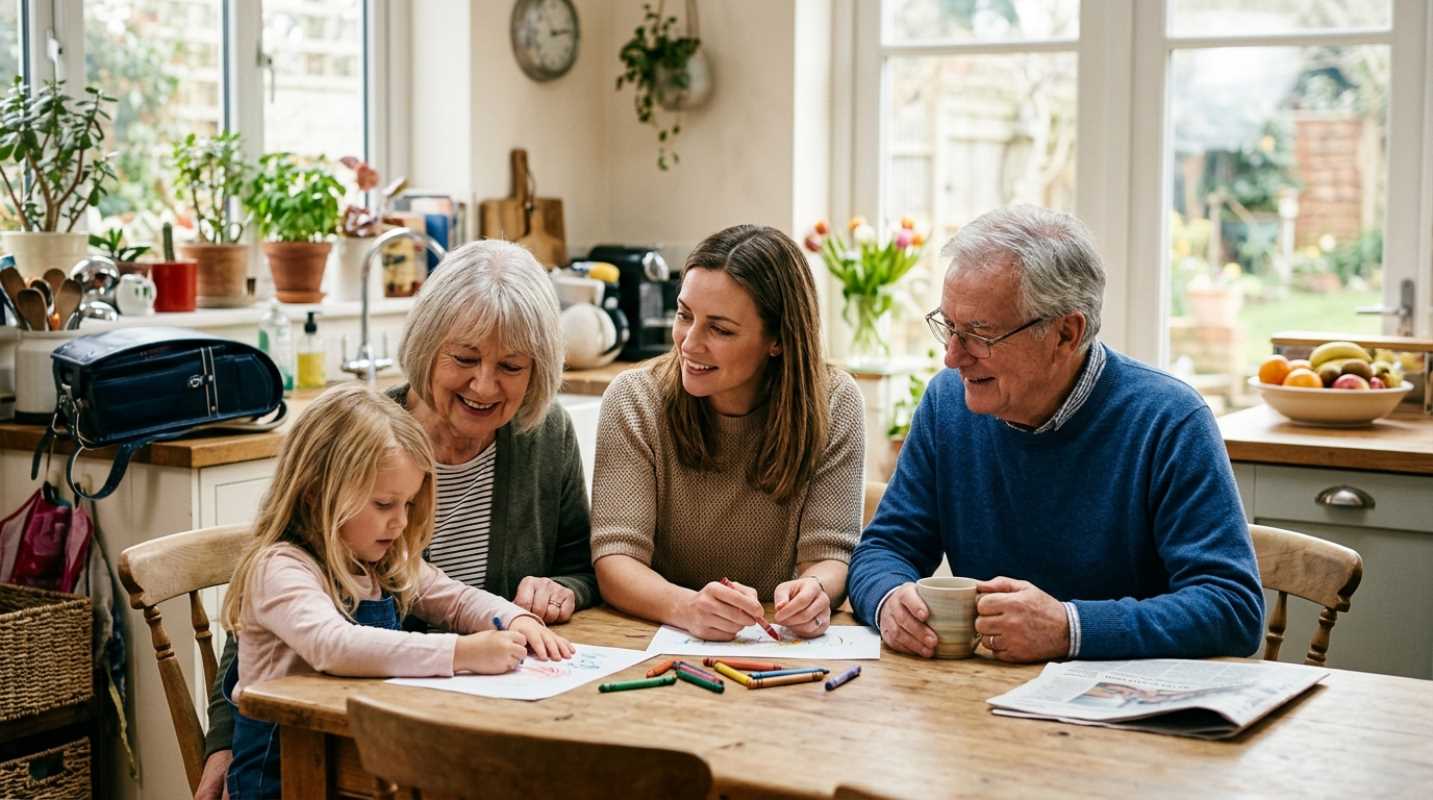
Let's be honest for a second. Kids are human sponges. You can tell your child to eat their green beans until you are blue in the face, but if they see you skipping meals or complaining about salad, guess which behavior wins?
Children mirror what we do far more than what we say. Pediatric experts constantly point out that parental role modeling is the strongest predictor of a child's long-term lifestyle habits. When you treat your own body with care, your kids notice.
Here are a few ways to model positive behaviors every day
• Demonstrate balanced eating: Enjoy fresh meals in front of your kids without calling foods "good" or "bad." Show them that food is both energy and enjoyment.
• Make movement part of your daily life: Take short walks, stretch in the living room, or do yard work with energy. Let them see that moving your body feels good.
• Practice stress management out loud: When work gets crazy or traffic is heavy, say things like, "I am feeling stressed, so I am going to take three deep breaths." You teach them emotional regulation in real time.
• Set screen boundaries for yourself: Put your phone away during family meals. If you want your kids to disconnect, they need to see you log off too.
Making Nutrition and Exercise Fun for Kids
If healthy living feels like a chore, kids will drop it the second you aren't looking. The goal is to bring joy back into food and movement.
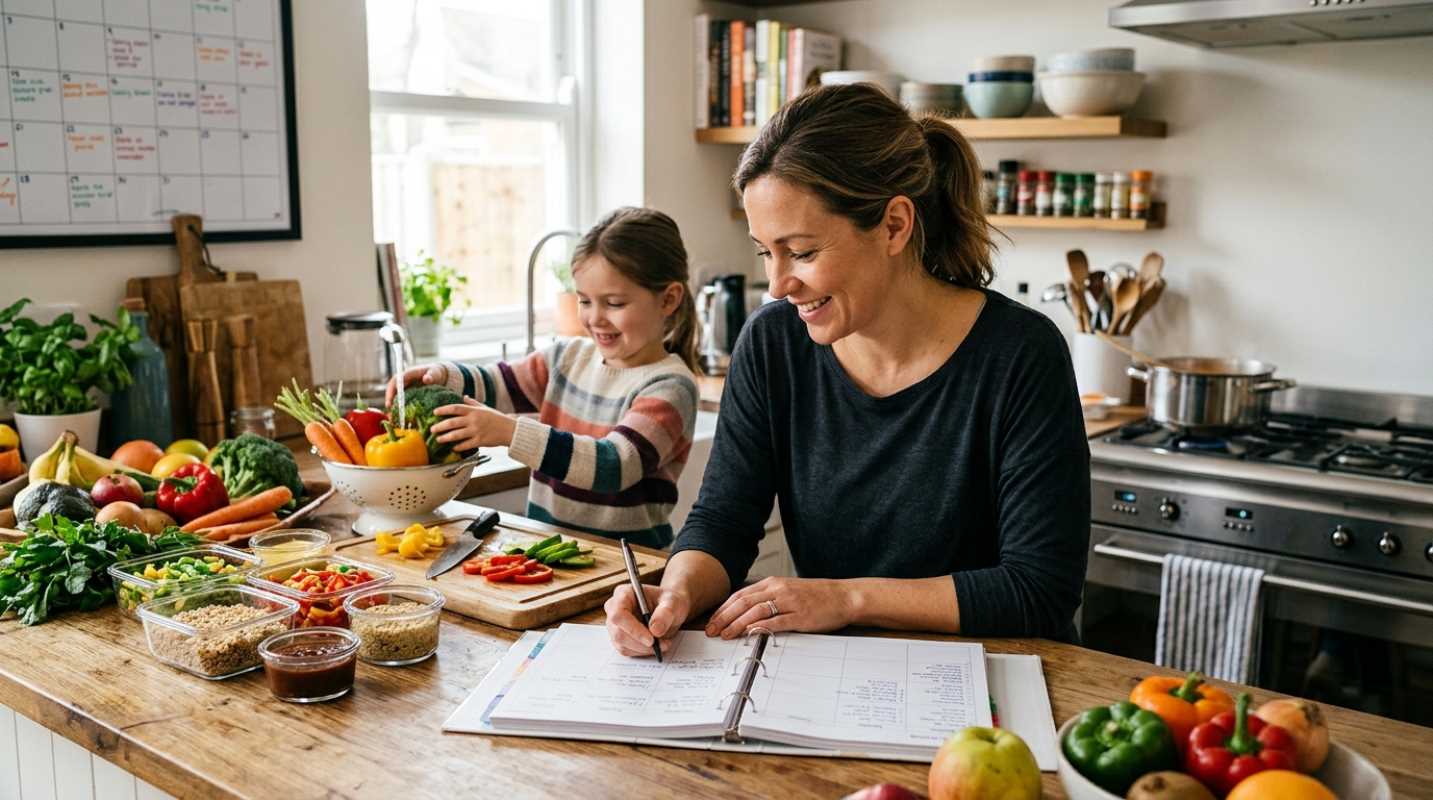
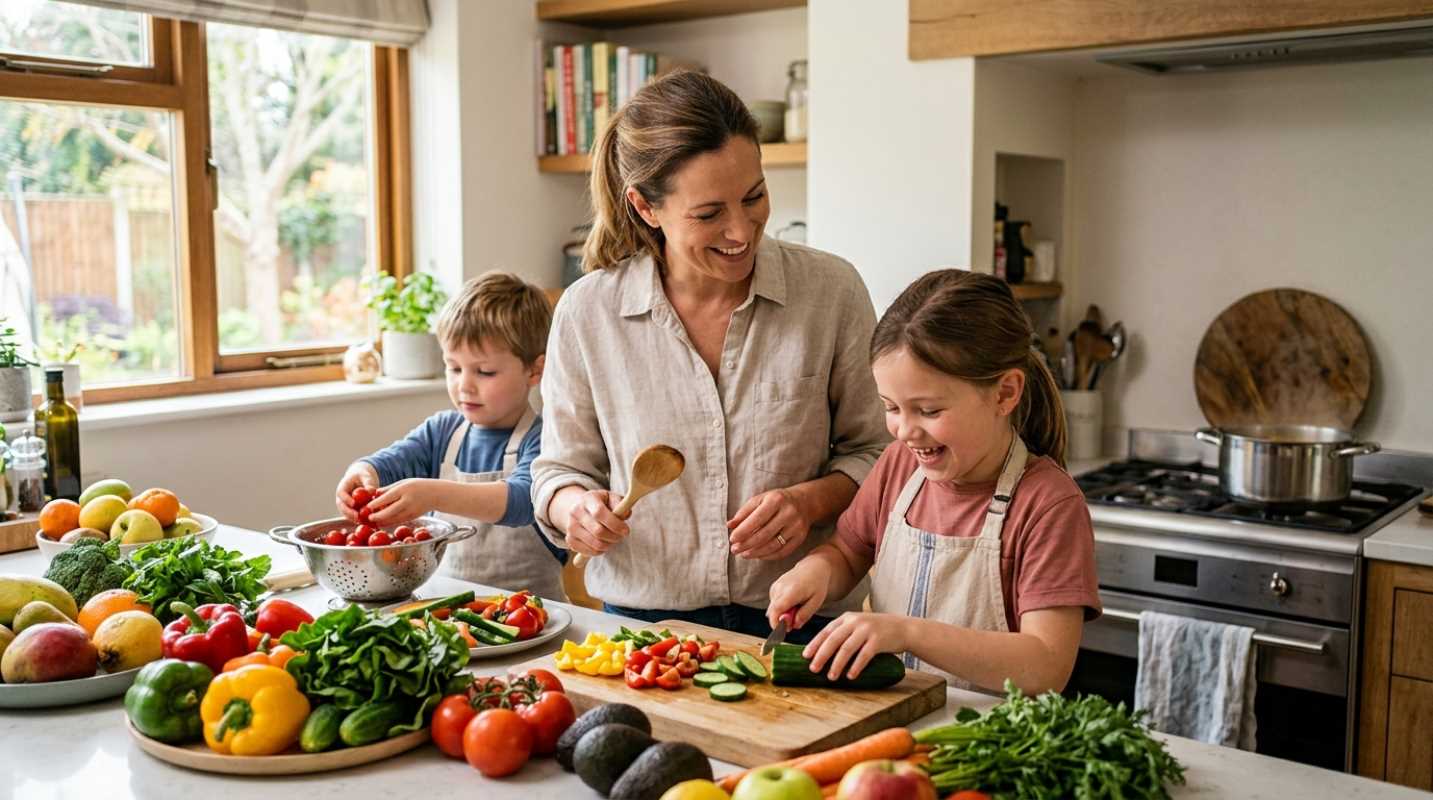
Instead of treating dinner preparation as a solo task, invite your kids into the kitchen. Young children love scrubbing vegetables or stirring batter, while older kids can measure ingredients and chop soft items. When kids help cook, they feel a sense of pride. They are also much more likely to try a dish they helped create.
For exercise, drop the idea of rigid workouts. Kids don't need gym sessions; they need active play. Turn physical activity into a game
• Host impromptu dance parties: Put on upbeat music while cooking dinner and dance around the kitchen together.
• Play active family games: Tag, hide-and-seek, and relay races build heart health while feeling like pure fun.
• Focus on energy and strength: Frame activity around what bodies can do. Tell them, "Running fast helps your heart stay strong," instead of talking about calories or body weight.
• Try active commuting: Walk or ride bikes to school or the neighborhood park whenever the weather allows.
Building Routines That Stick Long-Term
Consistency is the real engine of habit building. But trying to change your entire family routine overnight usually leads to burnout. The best approach relies on habit stacking, which means linking a new target habit to an existing routine.
Like, if your family already sits down together after school, stack a healthy habit onto that moment. You might put out a plate of sliced apples and peanut butter right when they unpack their backpacks.
Environment design also does a lot of heavy lifting. Keep fresh fruit in a bowl on the kitchen island where it is easy to grab. Keep reusable water bottles filled and within reach. When healthy options are easy to spot, kids naturally pick them without extra arguments.
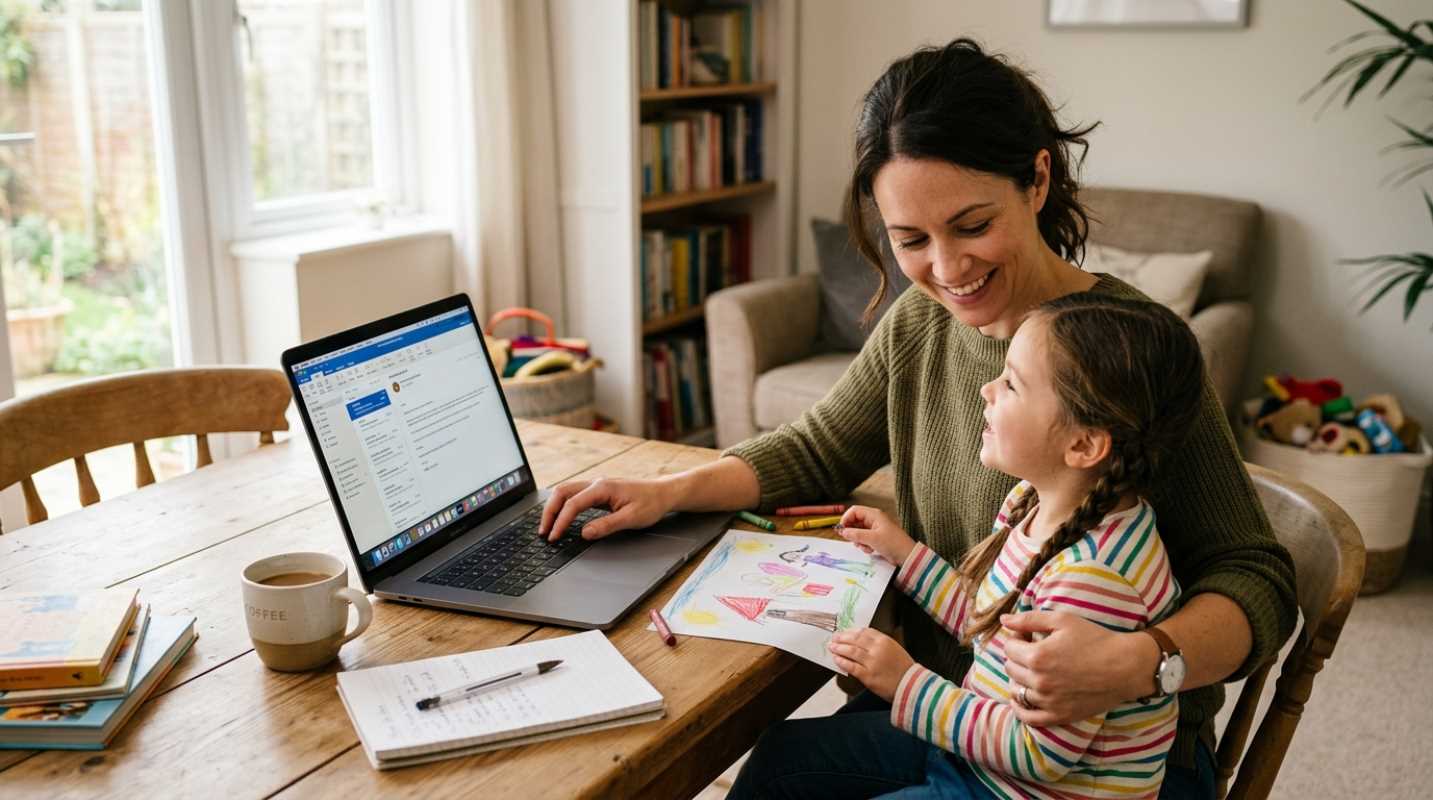
Screen time requires smart routine building as well. Updated guidelines from the American Academy of Pediatrics suggest focusing on screen quality and setting clear family zones rather than just fighting over clock timers.³ Keep bedrooms and dinner tables screen-free zones to protect sleep and family conversation.
Remember to keep your schedules flexible. Life gets busy, illnesses happen, and routines break down. Self-compassion matters. A missed family walk or a pizza night doesn't ruin your hard work. Just reset and pick back up the next day.
Navigating Challenges and Staying Consistent
Every parent runs into roadblocks on this journey. Picky eating is perhaps the most common struggle. If your toddler suddenly refuses everything green, try not to panic or force clean plates.
Pediatric nutritionists recommend the Division of Responsibility framework. As a parent, you decide what food is served, when it is served, and where. Your child decides whether to eat it and how much. This clear boundary reduces power struggles at the dinner table.
Research indicates that children may need 10 to 15 neutral exposures to a new food before accepting it. Keep serving small portions of new foods alongside familiar favorites. Avoid bribing them with sweet treats to finish their vegetables, which unintentionally makes the vegetable seem like work and the dessert like the prize.
As kids grow into teenagers, their schedules shift and peer influences grow stronger. Adapt your habits with them. Involve teens in planning weekly menus or let them pick active family weekend outings. Give them room to make their own choices while keeping your home environment grounded in healthy defaults.
Building a Lifetime of
Building healthy habits with your kids takes time. Small, repeated daily choices add up to big results over the years.
Every time you prepare a meal together, go for a family walk, or talk through a stressful day, you place a deposit into your child's long-term health bank. You give them the confidence to take charge of their own well-being as they grow into adults.
Be patient with yourself and your kids along the way. Celebrate the little wins, like a newly tried vegetable or an evening spent playing tag outside. By keeping health positive, fun, and consistent, you give your children a gift that serves them for a lifetime.
Sources:
1. CDC Obesity Trends in Children
https://www.aha.org/news/headline/2026-02-26-cdc-finds-record-high-obesity-rates-children-teens-adults-have-slight-decline
2. Childhood Obesity Facts
https://www.cdc.gov/obesity/childhood-obesity-facts/childhood-obesity-facts.html
3. AAP Guidance on Obesity Prevention and Active Living
https://www.healthychildren.org/English/health-issues/conditions/obesity/Pages/obesity-prevention-aap-policy-explained.aspx
*This article on WellnessChecker is for informational and educational purposes only. Readers are encouraged to consult qualified professionals and verify details with official sources before making decisions. This content does not constitute professional advice.*