Remember when home security meant a clunky keypad on the wall, a siren that only annoyed your neighbors, and a landline that an intruder could easily cut? Those days are long gone. Home protection has transformed from a loud, reactive box into an integrated digital network that sits right in your pocket.
The global smart home security market has climbed past $33 billion, and it continues to grow at over 12% annually as homeowners replace traditional alarms with connected hardware.¹ What is driving this massive shift?
Smart security is no longer a luxury gadget collection for tech enthusiasts. It is a needed component of modern living that provides real-time visibility, automated prevention, and daily convenience, no matter where you happen to be.
Real-Time Control Through Remote Home Monitoring
Have you ever left the house and suddenly wondered if you locked the back door or closed the garage? That sinking feeling used to mean turning your car around or spending the rest of your workday distracted and anxious.
With remote monitoring, that worry disappears in seconds. You open an app on your phone, check your device statuses, and lock up with a single tap. It works whether you are sitting in a conference room down the street or lounging on a beach thousands of miles away.
This instant visibility fundamentally changes how you interact with your home. You do not have to wait around for an alarm monitoring center to call you minutes after an incident occurs. Instead, you have immediate access to live feeds, system history, and automated controls.
• Live video streaming: Check indoor and outdoor cameras in clear high definition at any moment.
• System management: Arm, disarm, or set perimeter modes from your phone or smartwatch with zero hassle.
• Environmental tracking: Monitor linked smoke, heat, and moisture sensors to catch water leaks or fire hazards before they turn into costly disasters.
The Synergy of Smart Locks and Cameras
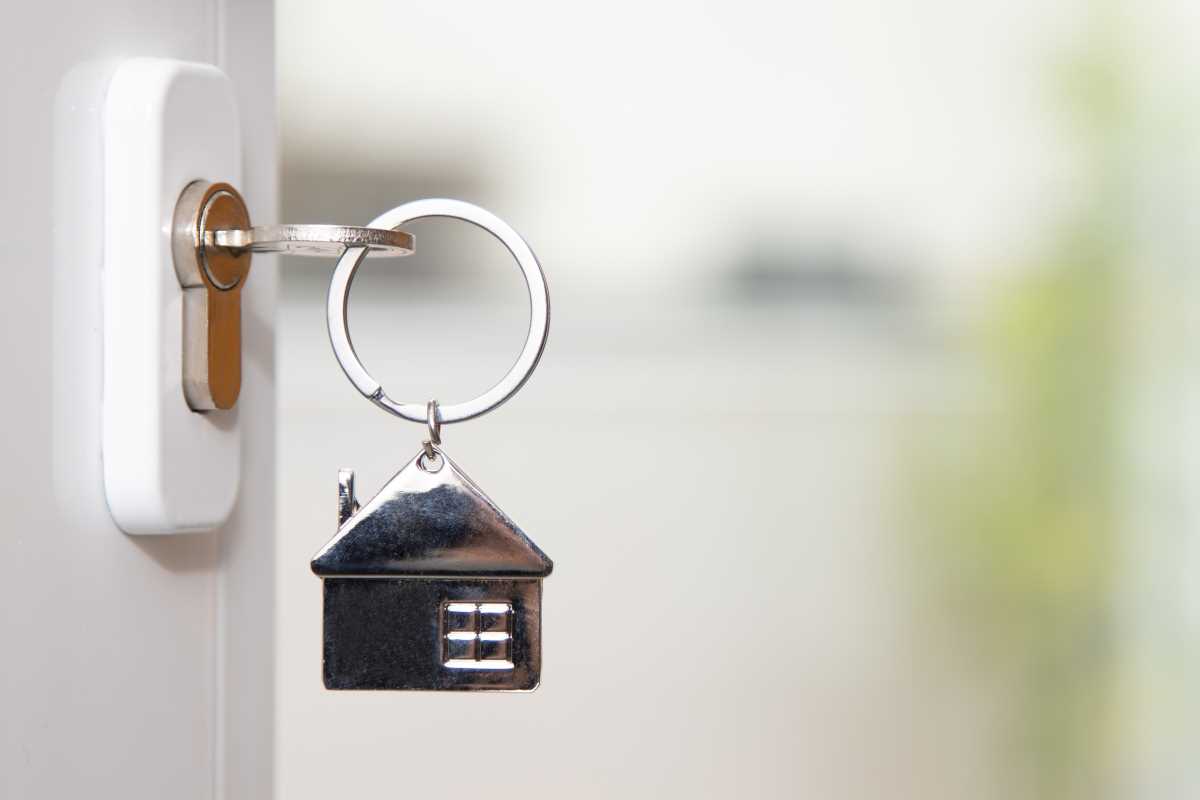
When you pair smart locks with video doorbells and exterior cameras, your entryway turns into a secure digital gatekeeper. You do not just see who is standing at your door; you manage their access in real time without ever needing a physical key.
Think about package deliveries or letting in a dog walker. Instead of hiding a spare under an obvious flowerpot, you can check your video doorbell feed, speak directly to the person through two-way audio, and unlock the deadbolt remotely.
Modern smart locks also eliminate the daily friction of physical keys:
• Contactless entry: Hands-free locks recognize your phone as you approach the door, unlocking automatically so you never have to drop your grocery bags to dig for keys.
• Biometric scanning: High-end models offer built-in fingerprint scanners and palm readers that open the door in less than a second.
• Temporary digital PINs: You can generate unique, time-sensitive access codes for guests or cleaners that expire automatically after a set window.
• Audit history: The system records exact timestamps for every entry, giving you a clear log of who entered your home and when.
Proactive Protection with Automated Security Alerts
Traditional alarm systems had a glaring weakness: they waited for an intruder to break glass or force open a door before sounding the alarm. By then, the physical breach had already happened. Even worse, older passive infrared sensors triggered alarms whenever a stray animal ran by, or a tree branch swayed in the wind. Historical records show traditional systems produced false alarm rates above 90%.²
Modern smart systems solve this with artificial intelligence running directly on camera processors.³ Instead of inundating your phone with useless notifications every time a shadow moves, smart cameras classify objects in real time.
The camera knows the difference between a neighborhood dog, a delivery van, a package dropped on your step, and a person walking toward your back patio. If an unknown person lingers near your sliding door after dark, the system can automatically switch on floodlights, sound a chime, and send an alert straight to your phone. You get actionable intelligence instead of notification fatigue.
Long-Term Value and Future-Proofing Your Home
Beyond physical safety, smart security delivers measurable financial returns that help the equipment pay for itself over time.
Home insurance providers place high value on connected security. Major carriers regularly offer discounts between 5% and 20% on homeowners insurance premiums for properties equipped with monitored alarms and smart water or smoke detectors. Over several years, those savings put real money back in your pocket.
A modern security setup also boosts your property value. Homebuyers want turnkey technology and smart infrastructure already in place. Having integrated deadbolts, exterior cameras, and connected safety sensors makes any listing more attractive on the open market.
These systems are modular. You do not need to wire an entire house on day one. You can start with a single video doorbell, add a smart lock next month, and gradually expand with window sensors, motion detectors, and outdoor spotlights as your budget allows.
Investing in Your Peace of Mind
Home security used to be an expensive, rigid setup that felt like overkill for the average homeowner. Today, intuitive mobile apps, intelligent cameras, and seamless smart locks have turned home protection into an accessible daily convenience.
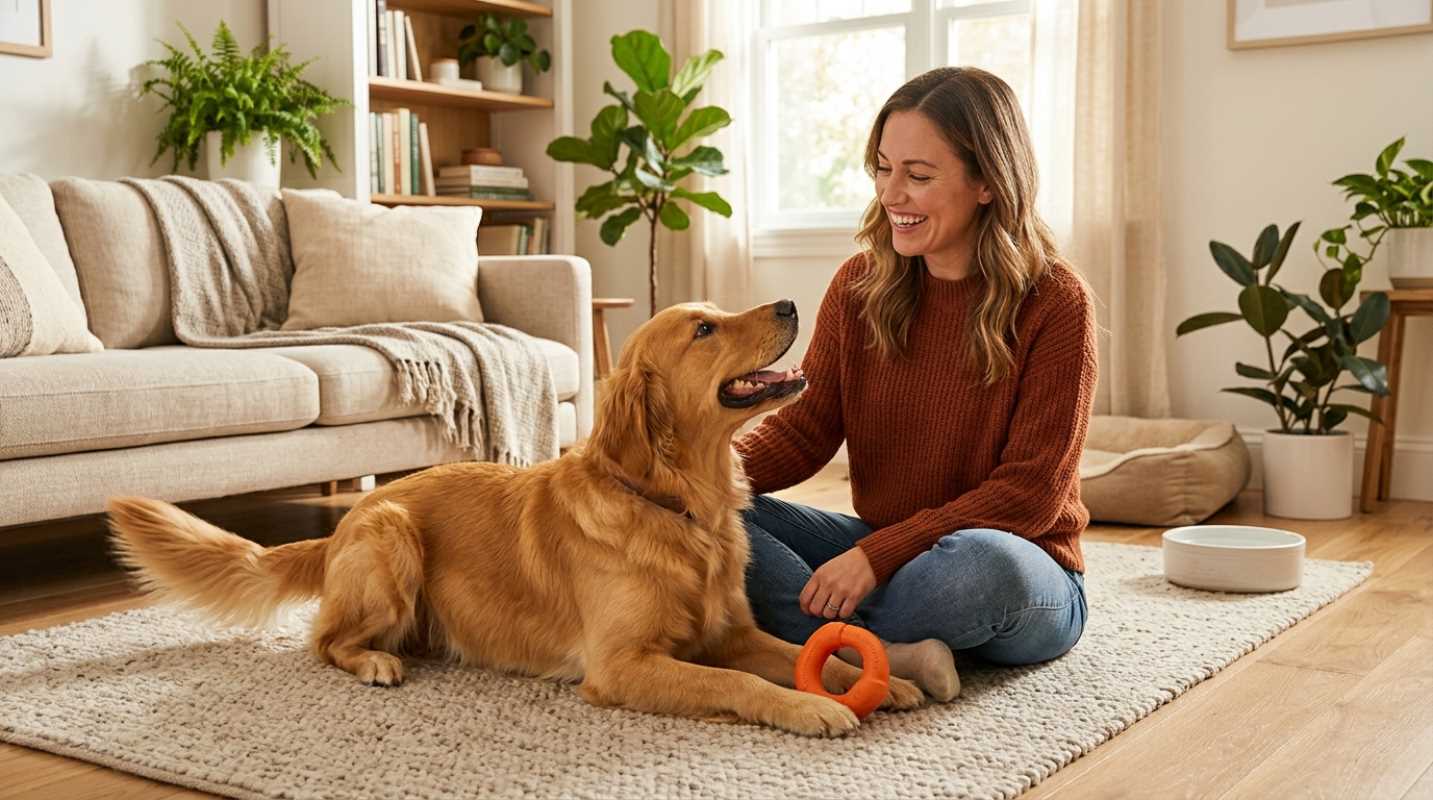
The ultimate benefit is simple: knowing your family, your pets, and your property are safe 24 hours a day. Whether you want to streamline deliveries, stop potential intruders before they reach your porch, or simply verify that your kids made it home from school, a smart security system delivers control and confidence every day.
Sources:
1. Global Smart Home Security Market Report
https://www.get the most frommarketresearch.com/market-report/global-smart-home-security-market/33792/
2. Smart Home Security Market Analysis
https://www.mordorintelligence.com/industry-reports/smart-home-security-market
3. Ways AI-Powered Security Cameras Reduce False Alarms
https://ihrsecurity.com/ways-ai-powered-security-cameras-reduce-false-alarms-through-motion-detection-sensitivity/